
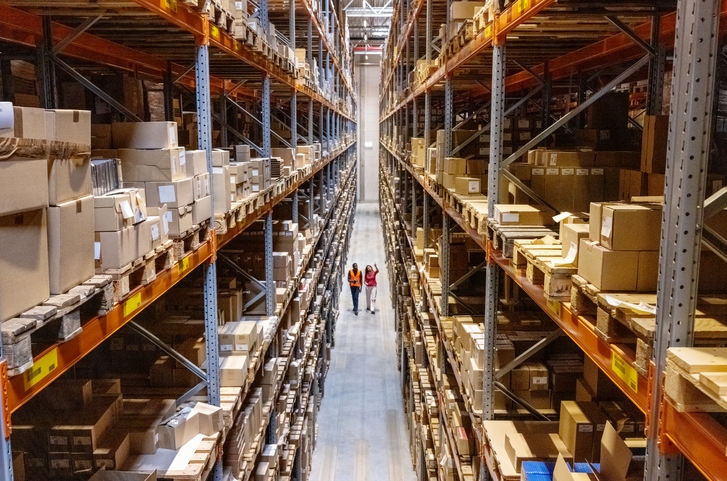
When most manufacturers or direct-to-consumer businesses consider shipping, the image that usually comes to mind is large trucks and cargo planes transporting individual boxes across the nation. These shippers (and most people) envision parcels when they think about shipping. While this mode of transportation primarily deals with individual packages, freight shipping considers goods in larger quantities such as truckloads, pallets, and shipping containers.
Although the primary distinction between parcel and freight is size, the two services are highly comparable in transportation. When comparing freight and parcel shipping, you'll see significant differences in pricing, service quality, and the factors contributing to delivery.
What is Parcel Shipping?
The most typical means of delivering products to specific residences and addresses is parcel shipping, which most buyers are already familiar with. Boxes are used as packaging materials in this process. Although the boxes can range in weight and size, they are typically light enough to be moved by hand.
Couriers and mail workers usually load them onto vans or lorries and transport them along predetermined routes. Parcel shipments are typically dependable, quick, and easy to track. Many commonplace goods and consumer items benefit from it.
Benefits and Drawbacks of Parcel Shipping
There is always a chance that your shipment will be damaged, delayed, or go missing when you use parcel shipping. The likelihood of a lost or damaged small package increases as it travels through the supply chain through each of the many distribution facilities and stages. The multitude of checkpoints that enable customers to track their parcels easily is the primary benefit of parcel shipping. On the other hand, additional costs may accrue if the package must pass through more checkpoints.
Compared to less-than-truckload (LTL) shipping methods, small shipments that weigh less often have better prices and are more cost-effective. Due to the large volume of deliveries, small packages are frequently less expensive. Verifying whether the carrier charges additional fees before selecting small parcel shipping is critical. Some delivery options may incur additional fees, such as those for rural areas, weekend deliveries, or address changes.
What is Freight Shipping?
Freight shipping is completely different from parcel shipping. Transporting big and heavy objects, as well as groups of items, is its speciality. Freight is usually preferred over parcels when a vendor sends 50 boxes of goods to a company.
Freight delivery can involve vehicles and transport systems, such as ships, trains, planes, and lorries. For instance, in international freight shipping, a cargo ship may carry a great deal of merchandise as it travels worldwide. Senders can save money using freight instead of parcel shipping since they only have to pay a single fee for many items. But it could take more time.
Benefits & Drawbacks of Freight Shipping
When transporting large, bulky, or heavy items, freight transportation is often the most economical choice. There are fewer location checkpoints for palletised shipments than parcels, but there is usually less risk of loss or damage. Packages can be sent via land, ocean, or air freight, depending on the customer's requirements. Many LTL shipping services now offer tracking and detailed shipping reports online.
Retailers must ensure they provide the right paperwork to avoid problems with international shipments. To ensure the prompt delivery of international shipments, you must have the commercial invoice, packing list, and Bill of Lading (BOL). An invoice is typically needed when shipping goods by air or ocean. The Bill of Lading (BOL) is multipurpose: a receipt for shipped goods, proof of title, and evidence of contract.
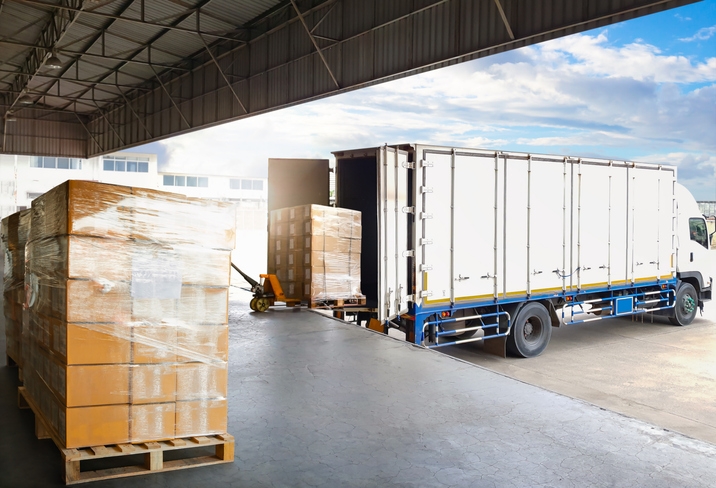
To ensure the safe delivery of items with unique shapes, like furniture, freight shipping is the way to go. Pallets and forklifts are commonly used for freight package loading to prevent damage that can occur when parcel shipping companies use conveyor belts.
Key Distinctions between Parcel and Freight
There are some noticeable distinctions between parcels and freight when we compare the two. If you want to know how parcel shipping differs from freight shipping, you need to know these differences. And deciding which mode is best for your company.
Size
Freight is usually a good option for shipments that total more than 150 lbs. Since it is considered light by freight standards but heavy by parcel, the cost to move freight that is close to 150 lbs. could be lower. Shipping one big unit instead of ten individual boxes is simpler and less likely to result in loss if the item is a collection of boxes. Additionally, instead of three boxes one day and seven the next, all boxes will arrive the same day.
Consider a city where one of the package delivery services operates; on any particular day, they could have twenty-step vans. In contrast, freight may only own a handful of 28-foot pup trailers or one or two 53-foot trailers. While freight accounts for a negligible percentage of daily shipments, millions of parcel shipments do.
Transport
To make the most efficient use of fuel and time, parcel trucks follow a daily-calculated route that is rarely altered. Were you aware that they practically always turn in? Also, companies teach drivers to use a certain foot when getting in and out of their trucks to reduce entry and exit delays. Thanks to this and many other data points, they can more precisely predict arrival times. Freight routes are subject to constant change due to market forces; furthermore, more data must be used to estimate ETAs reliably.
Time
Loading and unloading pallets takes significantly more time than parcels. It takes very little extra time for a parcel driver to be dispatched to collect one box or three boxes. A mere ten boxes would be insignificant. However, if a freight driver is sent out to collect one pallet and discovers there are actually three, the amount of time it takes to complete the task increases exponentially. As a result, a package delivery driver can make many more stops each day than a freight driver. Due to time constraints, shipments are rescheduled for pickup the following day.
Capacity
One problem with freight is that there needs to be more space on the truck. It is uncommon for this to happen with parcels. Even with a few unforeseen packages, the driver can still load all of the items into the truck.. But if you bring more pallets, the truck needs enough space to go to the next stop.
Costing and Efficiency
One of the main distinctions between freight and parcel shipping is how much something costs. Mileage, weight, fuel cost, extra services, and shipment classification are some factors in freight pricing. Carriers determine lane pricing, and some routes may be more cost-effective than others across the nation based on factors like industry volume and location type.
For instance, shipping to a heavily populated city's downtown or off-mainland can be quite costly. Shipping density and product type determine the freight class, which can increase or decrease. Finally, whenever a claim is made for damage to a shipment, the amount of liability coverage that carriers typically have varies by freight class. Shippers of freight consider freight class a crucial cost factor.
Also, parcel pricing can be challenging to understand. Aside from the requested service, the cost is also affected by the package's weight, size, and shape. There is a price premium for faster shipping options compared to regular ground shipping. Also, common carriers are increasingly using dimensional (DIM) weight pricing. Dimensional weight is a pricing system that takes the package's volume and compares it to its actual weight. It was instituted to reduce the number of awkwardly sized shipments that take up valuable truck space. To get an accurate idea of your shipment's cost, you must correctly determine your dimensional weight.
Objective
Another major distinction between parcel and freight is their intended use. Shipping big shipments from one company to another is a common freight use, also called B2B shipping. Shipping items to consumers typically involves the use of parcels.
Method
There are a few subtle differences between freight and parcel shipping as well. There are a variety of vehicles used in both types of transportation, but freight often uses trains and cargo ships, which are designed to carry large and heavy objects. When travelling internationally, parcels often spend more time in vehicles or aircraft.
Safety and Risk
The risk of damage to your freight can be affected by the packaging and handling practices used for parcel shipping versus freight shipping. Smaller shipments individually boxed and shipped within the carrier system are called parcel shipments. Although they can be up to 150 pounds, most weigh less than 70. When shipping, remember that freight loads are typically larger, with numerous boxes or items packed onto a pallet or in crates that are fastened together.
Packaging regulations for both types of shipments mandate using internal protective materials to lessen the likelihood of damage. Reduced box loss is a common result of using shrink wrap and other binding materials in freight shipments. The carrier conveyor system can automatically sort parcel shipments due to their small size, making them easy to handle. After that, they are transported to a regional hub and then passed through a series of intermediate stops and service terminals on their way to their ultimate destination.
There is a higher chance of boxes getting lost or misdirected due to the amount of handling and the smaller size of loose parcels. Although less common than parcel services, freight shipping involves loading and transferring at multiple stops. There will be less loading if there are fewer stops, but shippers should know there is a risk of damage to the pallets during handling if a forklift is needed.
Level of Driver Service
When deciding between parcel and freight shipping, it is important to consider how hands-on the truck driver is with the shipment. Common carriers use human workers to load, unload, and deliver parcel shipments. The onus for accurate labelling and packing is on the shipper, while the onus for verifying the number of cartons and the condition of any damage is on the receiver. However, in most cases, a driver will handle handling, which includes picking up at the front door or delivering inside.
Transporting goods by ship is a whole other ballgame. The shipper and the consignee are responsible for assembling the necessary personnel to load and unload the cargo, as the driver is only responsible for transporting it from the point of pickup to the final destination. The driver will not be able to help because of this. You can ask for driver assistance, but it will cost more than the standard rate because it is a premium service. Extra fees may apply for accessorials like inside delivery or locations with limited access in addition to the standard shipping cost.
Which should be used: Parcel vs. Freight
When to Utilise Freight
Freight shipping might not be the best fit for your business if you rarely send large quantities of products or if the destinations of your packages are often different. On the other hand, freight shipping will save you the most money if your business sends many products to a single vendor or customer.
The fact that freight shipments go through massive handling facilities and are transported by cargo ship or train increases the likelihood that they may experience unanticipated delays. Commercial shippers are the main contributors to freight shipments; their items are often found in the manufacturing or intermediate stages of the supply chain.
When to use a Parcel
On the other hand, shippers in the small to medium retail sector nearly always utilise parcel shipping. Shipping via freight instead of a parcel will probably not be cost-effective for these shippers because they need to move more volume to a single location. Pkg is the way to go if your shipments go straight to the customer or are located farther down the supply chain.
Nevertheless, ambiguities do exist. Final shipment volume and destination factors determine whether packages are eligible for freight or parcel shipping if they weigh more than 70 pounds but less than 150 pounds. Putting similar goods on pallets and sending them via freight might be an option if you send many of them to the same place. However, you should reconsider your parcel shipping choices if you often send small LTL loads with freight, particularly if the individual items are smaller.
FAQs
What is the difference between parcels and freight shipments?
Parcels are typically smaller shipments, often sent by individual consumers or small businesses, and usually weigh less than 150 pounds. On the other hand, freight shipments are larger and heavier, often exceeding 150 pounds and requiring specialised handling and equipment.
How are parcel shipments priced compared to freight shipments?
Parcel shipments are typically priced based on the package's weight, dimensions, and destination. On the other hand, freight shipments are priced based on a combination of factors such as weight, dimensions, distance, shipping method, and additional services required, making them more complex to calculate.
When should I choose parcel shipping over freight shipping?
Parcel shipping suits smaller, lighter shipments that standard courier services can easily handle. It's a cost-effective option for small packages, documents, and items that don't require special equipment or handling. Parcel shipping is often preferred for e-commerce orders and personal shipments.
When should I choose freight shipping over parcel shipping?
Freight shipping is ideal for larger, heavier, or bulkier items that exceed standard parcel carriers' size and weight limits. It's also suitable for shipments that require specialised handling, such as fragile or hazardous goods. Businesses commonly use freight shipping for transporting goods in bulk.
What factors should I consider when deciding between parcel and freight shipping?
When choosing between parcel and freight shipping, consider the size, weight, and nature of your shipment, as well as your budget and delivery timeline. If your shipment is small, light, and time-sensitive, parcel shipping may be the best choice. For larger, heavier, or less time-sensitive shipments, freight shipping may be more cost-effective.
Contact us to help you find the best solution for your business.